- Home page
- Top experiences
- Food Lovers
- Discovering the Landes d’Armagnac!
- Food Lovers
- Top experiences
Discovering the Landes d’Armagnac!
Armagnac is the name of a brandy but also of a region of the Landes that you will have great pleasure in discovering. Not far from Gers, with which it shares the appetite for foie gras and the eponymous brandy, Armagnac is a beautiful region to the east of the Landes department, hilly, forested and contrasting with the rest of the territory, rather flat and conducive to pine forests.
Armagnac, the brandy and the life that goes with it
Armagnac is a brandy, a distilled alcohol made from dry white wine. Its production and export have made the nearby town of Mont-de-Marsan famous since the Middle Ages.
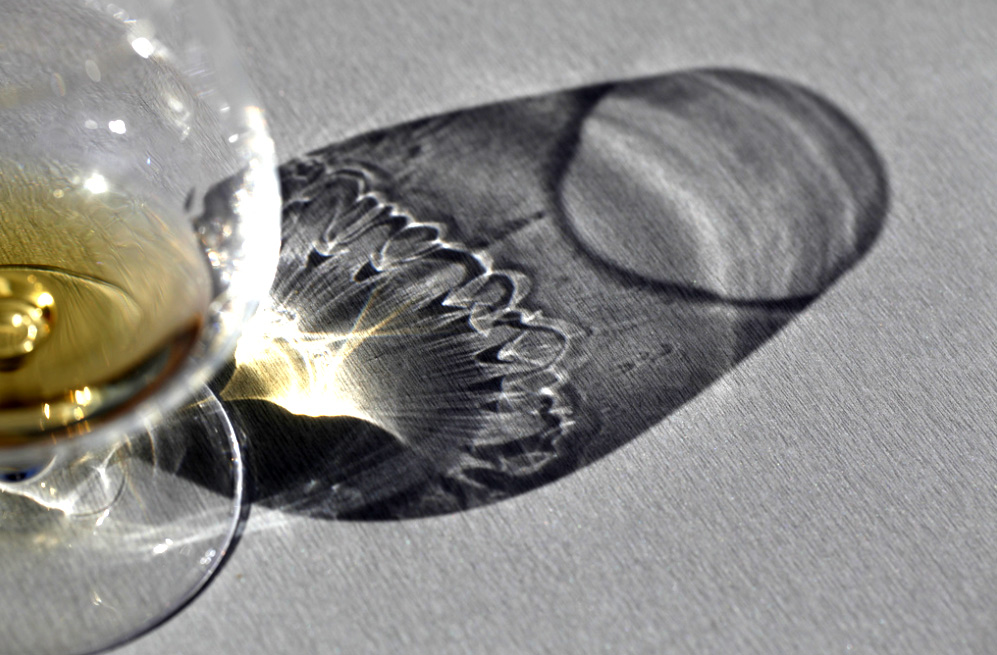
Armagnac is not an alcohol that you drink in large quantities as an aperitif or sip during your meal. No, no: you will prefer Floc d'Armagnac for this purpose. With an average alcohol content of 40 degrees, Armagnac can be observed, warmed in the palm of your hand without swirling it, unlike wine. The aromas are thus trapped in the balloon glass with its narrow neck to blossom in your nose and excite you before you even dip your lips into it... The Landes region gives birth to the Bas Armagnac appellation.
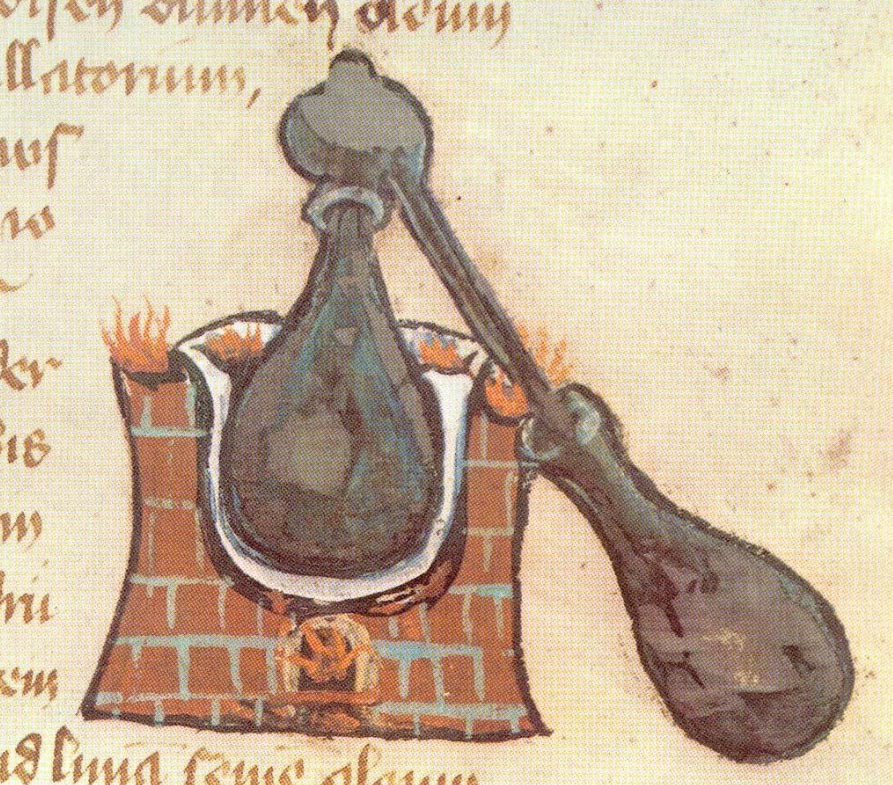
Armagnac, like many spirits, was not originally a drink. It was an apothecary's remedy, prized for its tonic properties when applied topically, soothing for headaches when applied topically and not after ingestion, right? It was also said to have the virtue of erasing the shyness of the bold who gargled with it.
The 19th century saw the full boom in the production and trade of this eau-de-vie. It benefited from more advanced knowledge in distillation (continuous distillation for Armagnac, which began at the "Flamme de l'Armagnac" in November) to charm connoisseurs. Aged in oak barrels, which give Armagnac its characteristic taste and color, through the tannins, it is always new at the start of aging. Then, the Armagnac is transferred to used barrels to ensure its roundness and smoothness. It was in the 1930s that controlled appellations appeared, delimiting production areas and methods.
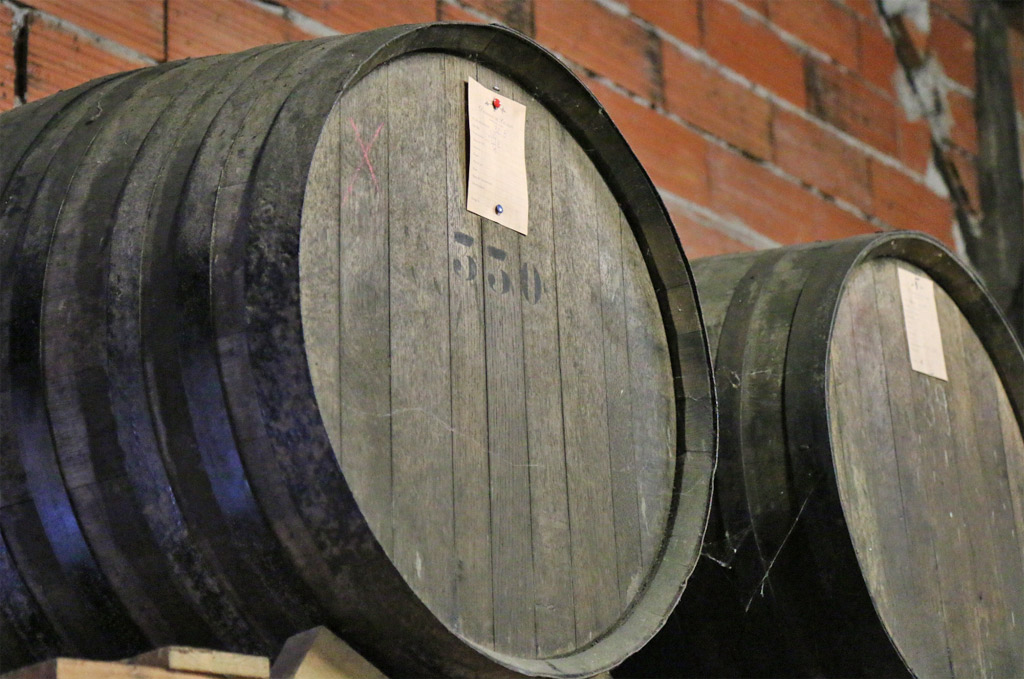
Armagnac, the brandy, takes its name from the ancient province of Gascony Armagnac, and in the Landes, around 1400 ha of vines are devoted to its production (the majority being in the Gers).
Wandering in the Armagnac moors!
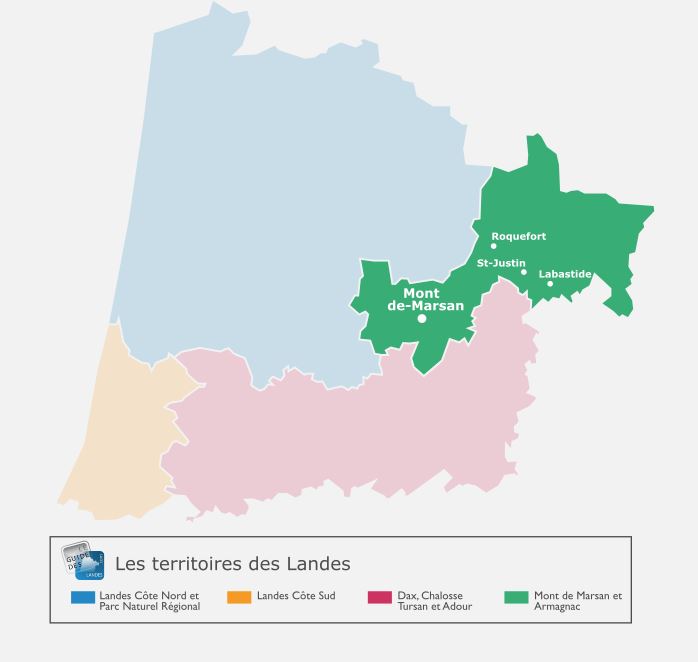
It's decided, the Landes Guide is going to discover Armagnac, through its production region. This is located in the territory delimited by us.
A little over twenty producers cultivate vines and transform the grapes into Armagnac in this region. Visiting a winery is an unforgettable experience, whether for the cultural, gastronomic or historical interest it represents. Armagnac is a product that improves with time and a long stay in the winery. However, it stops aging once bottled. You will have the opportunity to taste rare and prestigious vintages, if you are a fan!
Roquefort
Start in Roquefort ! But be careful, it has nothing to do with cheese! The name of the village, which means "fort built on rock", evokes its origins as a fortified city, founded in the 12th century by the Viscount of Marsan. Contrary to popular belief, Roquefort is not a bastide, but a castelnau (new castle in Gascon). The town has preserved many vestiges of its history, particularly in its town center where the narrow streets allow you to discover its medieval architecture. Roquefort is also crossed by the Douze and Estampon rivers, which makes it an ideal place for walks.
Among the must-sees of a visit to Roquefort, don't miss:
- The Church of Saint Mary is an imposing 12th-century building. It was remodeled in the Gothic style in the 14th century and fortified by Gaston Phébus. It is listed as a Historic Monument.
- The Roquefort arenas, entirely made of wood and listed as a Historic Monument, are an emblematic place of Landes culture, hosting novilladas and Landes races. Guided tours are often offered in summer.
- Place des Cagots is a historic place that bears witness to a particular social past.
- The market takes place on Avenue des Arènes. It is an opportunity to discover and taste local products from Landes producers.
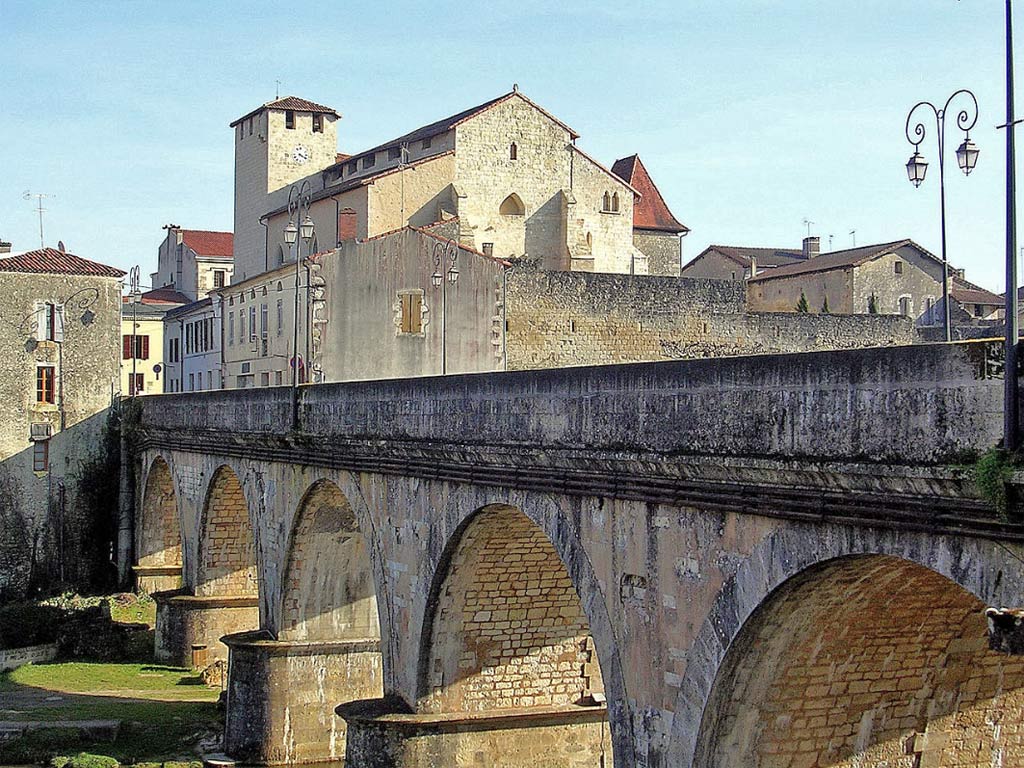
Saint-Justin
Saint-Justin is a medieval fortified town. Built on a promontory overlooking the River Douze, it was originally a fortified defensive site, which gave it a turbulent history, marked by sieges (notably by the English in 1359) and pillaging during the Wars of Religion. Despite these trials, the town has managed to preserve its rich heritage and its character as a fortified town.
During a visit to Saint-Justin, you can discover many must-sees.
- The village centre, organised around the Place des Tilleuls, is typical of the bastides with its arcades, its half-timbered houses and its 19th century manor house.
- You can also admire the patrol path and the remains of the ramparts which bear witness to the city's warlike past.
- The Saint-André church, in the heart of the village, has a 14th century Gothic nave.
- Nearby, you can discover the Château de Fondat and its park. Finally, the fortified town is also known for its annual May 1st fair and its environment ideal for hiking and outdoor activities.
Labastide d'Armagnac
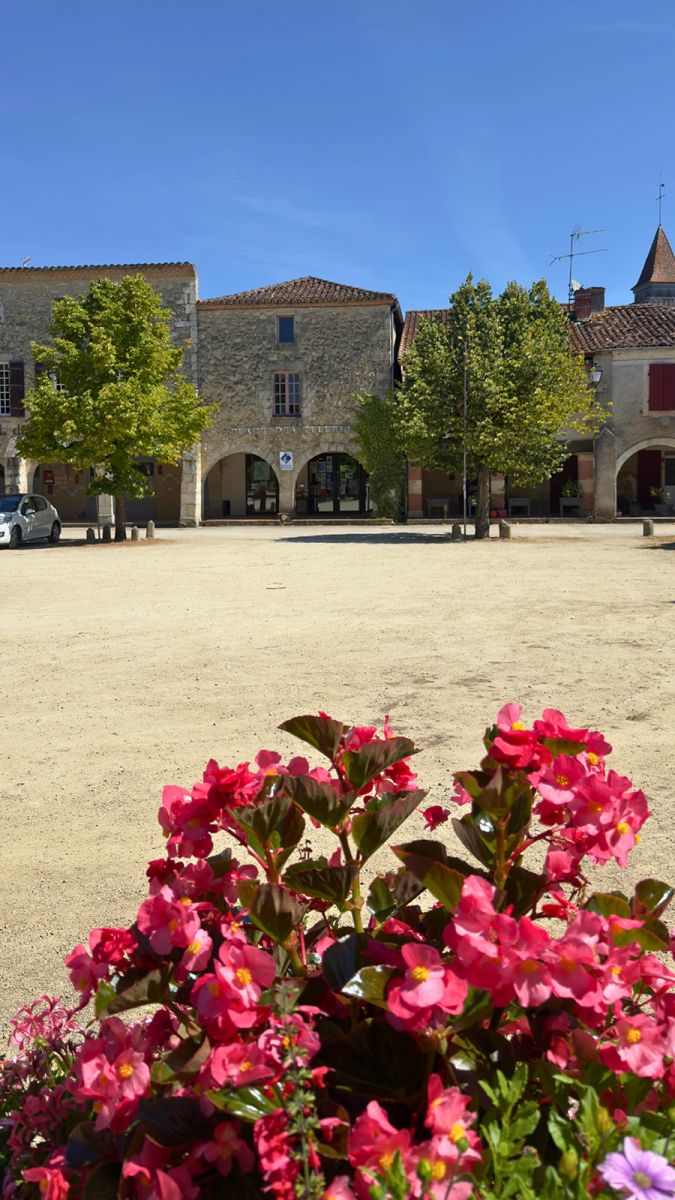
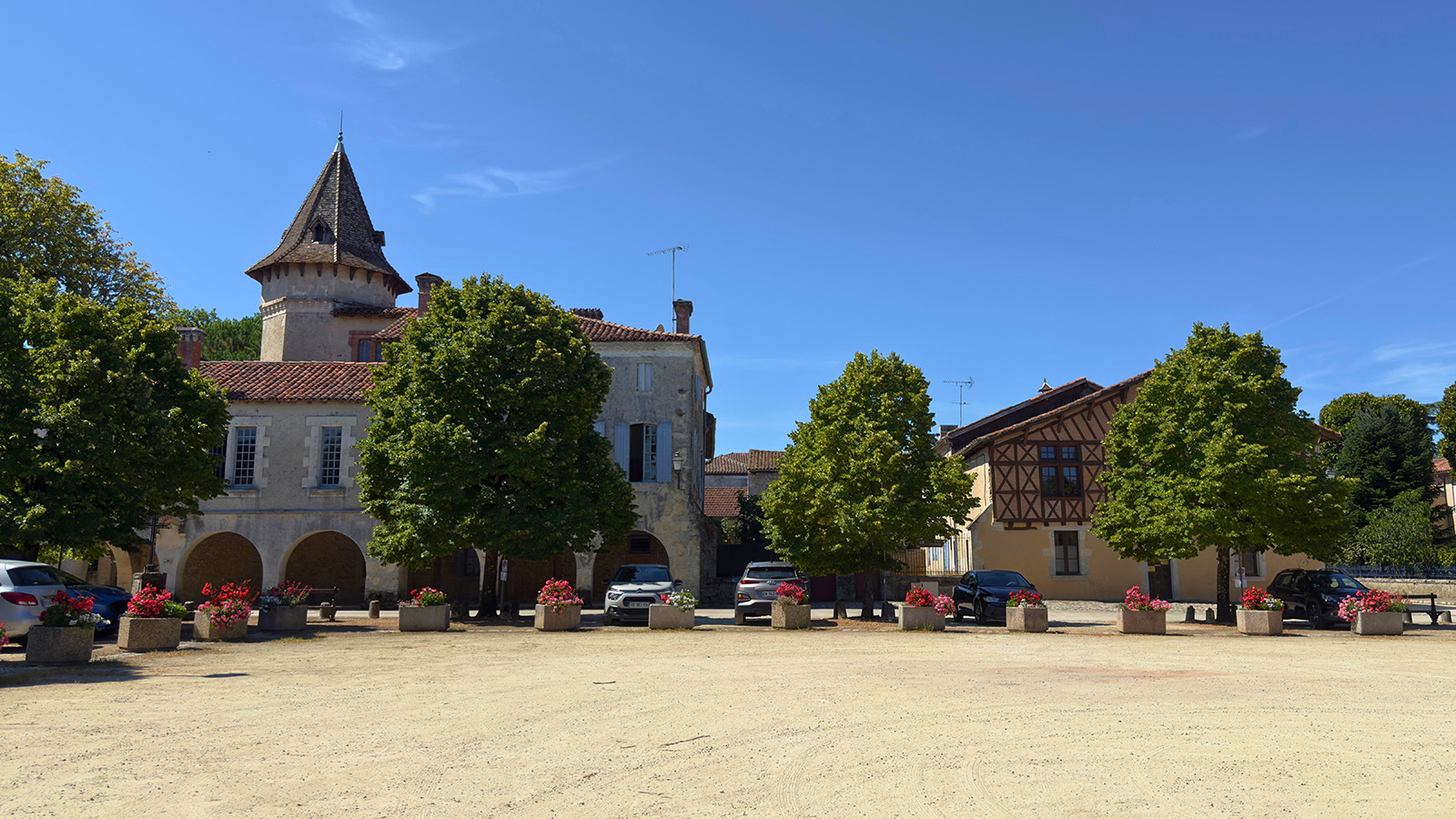
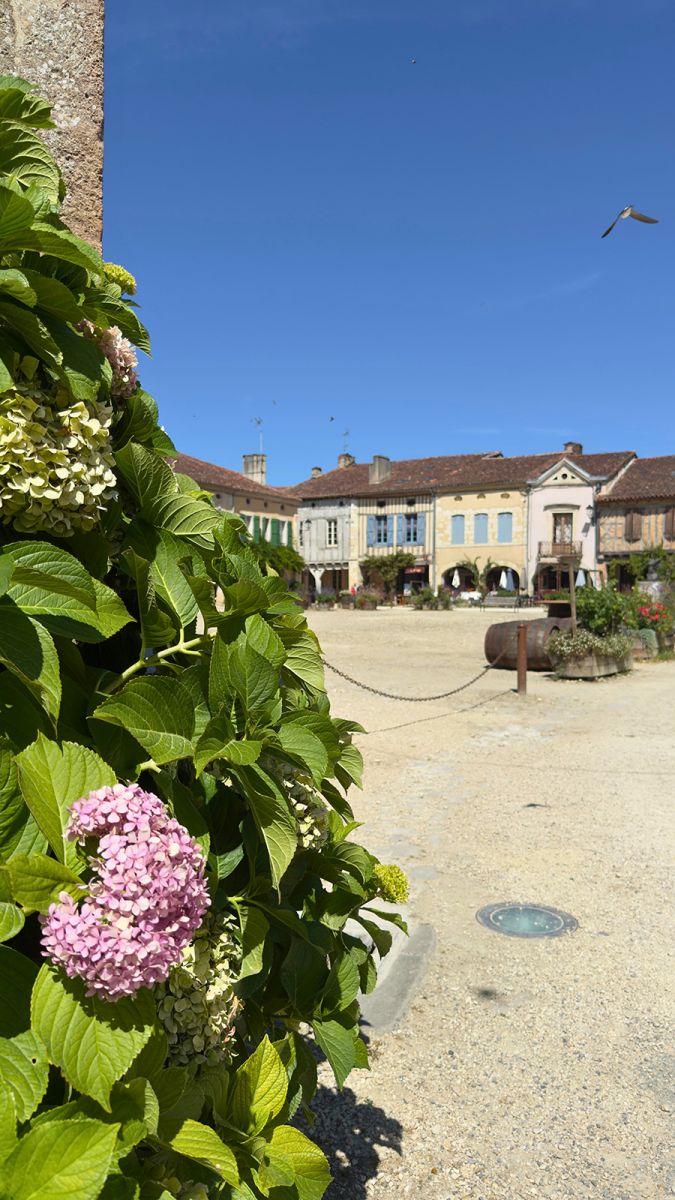
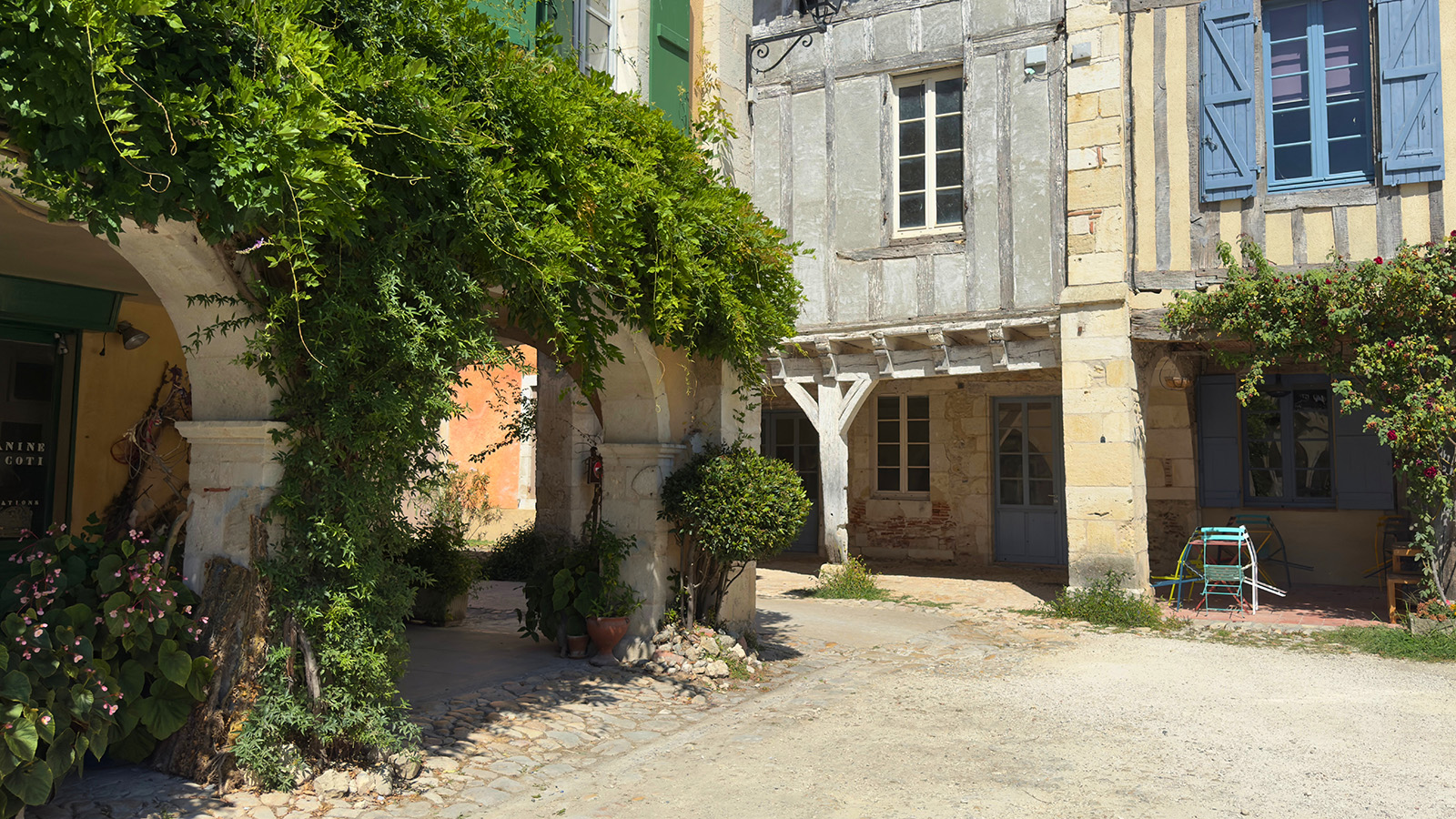
Labastide-d'Armagnac is another medieval bastide founded in 1291 by Count Bernard VI of Armagnac and the King of England. Its history is closely linked to its strategic role as a new town, designed to bring together populations, facilitate trade and establish seigneurial authority. The commune is a living testimony to medieval architecture, with its typical square plan and its Place Royale which, according to legend, inspired Henry IV to build the Place des Vosges in Paris.
A visit to Labastide-d'Armagnac will inevitably lead you to its must-see sites.
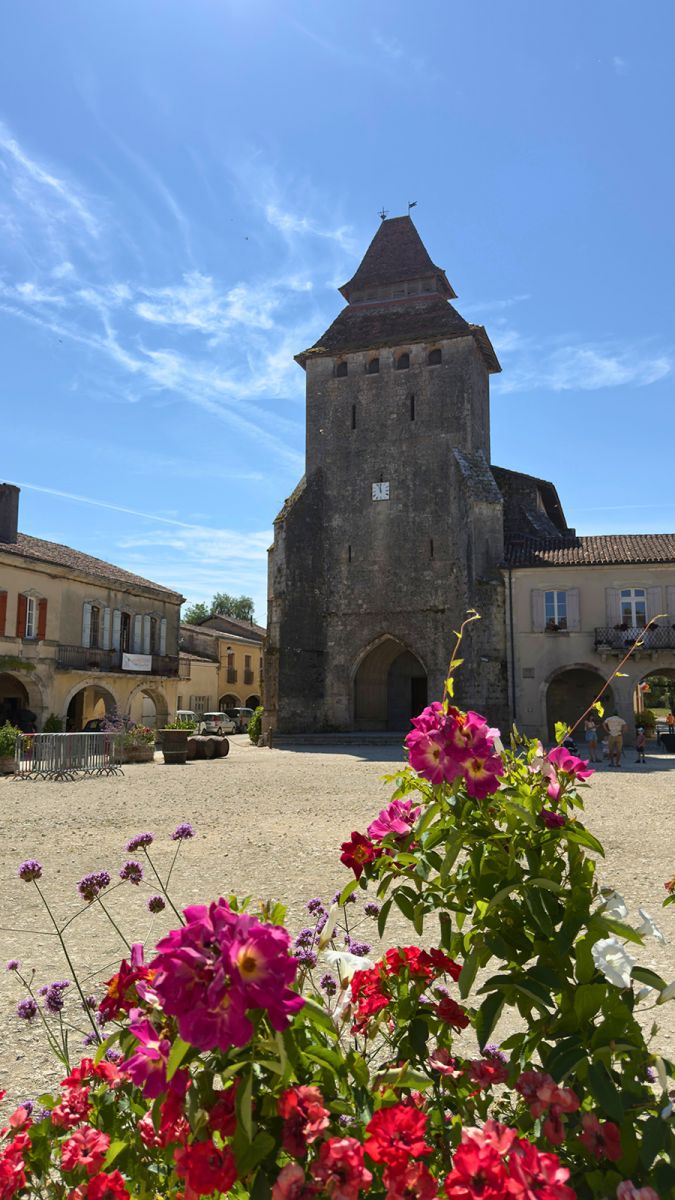
- The Place Royale, the nerve center of the bastide, is lined with arcades and half-timbered houses, creating a unique atmosphere.
- The imposing fortress church dominates the square, and inside you can admire a trompe-l'oeil dating from the 19th century.
- Near the village, the Notre-Dame-des-Cyclistes chapel is an unusual place which houses a cycling museum with jerseys donated by great champions.
- Don't miss the Armagnac Ecomuseum to learn all about France's oldest brandy, with tasting tours.
Gabarret
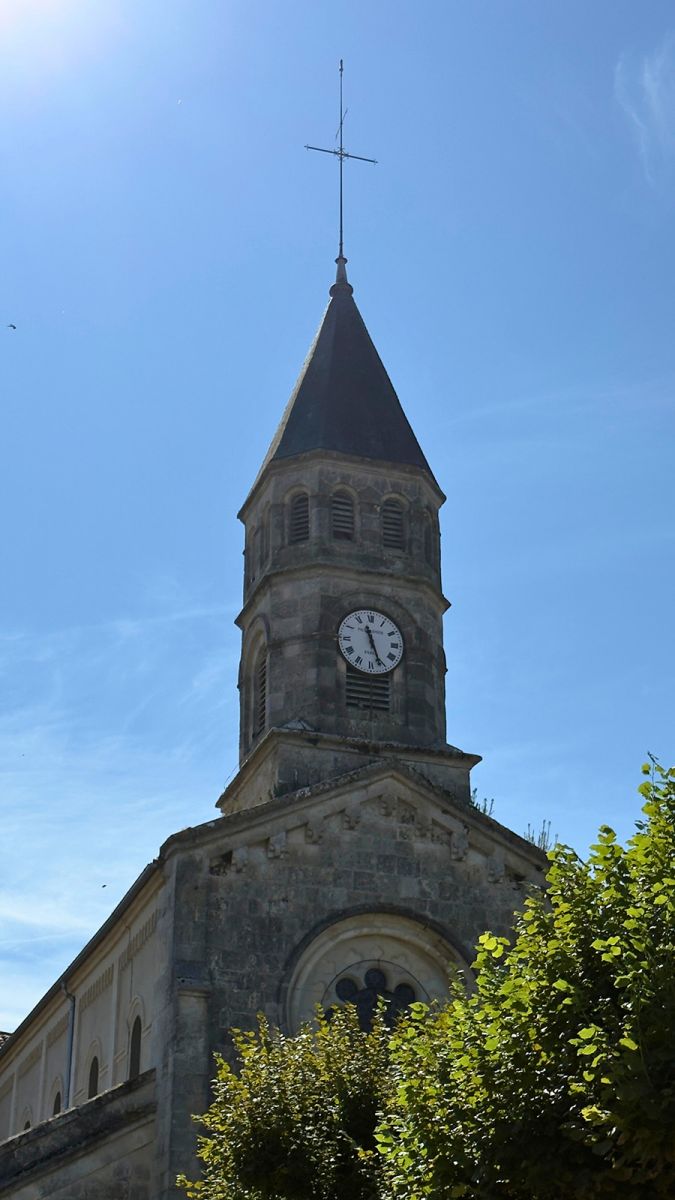
Gabarret is a former capital of the Viscounty of Gabardan, whose past has been marked by numerous conflicts. Founded around 1080 by Viscount Pierre I of Gabarret with a Benedictine monastery, the village experienced a period of prosperity thanks to the "Sauveté", a right that attracted peasants and offered them refuge and freedom. However, the religious wars of the 16th century ravaged the commune, destroying the basilica and the monastery. From this troubled period, the town has lost most of its medieval remains, with the exception of a few remarkable monuments.
Despite this destruction, Gabarret has managed to preserve places which are today its main tourist attractions.
- The Maison du Gabardan, a medieval half-timbered house dating from 1456, is a rare witness to the history of the village.
- The Gabarret arenas, built in 1914, are another must-see. Oval in shape, they host the Landes races, a local tradition.
- Finally, the Saint-Luperc church, rebuilt in the 19th century, is an interesting place to visit, particularly for its Romanesque portal and its interior frescoes created by a refugee artist during the Second World War.
In addition to these sites, Gabarret is on the Vézelay route of the Way of St. James, and nearby you can discover the Château de Caumale in Escalans, and explore other bastides in the Landes d'Armagnac.
Mont-de-Marsan
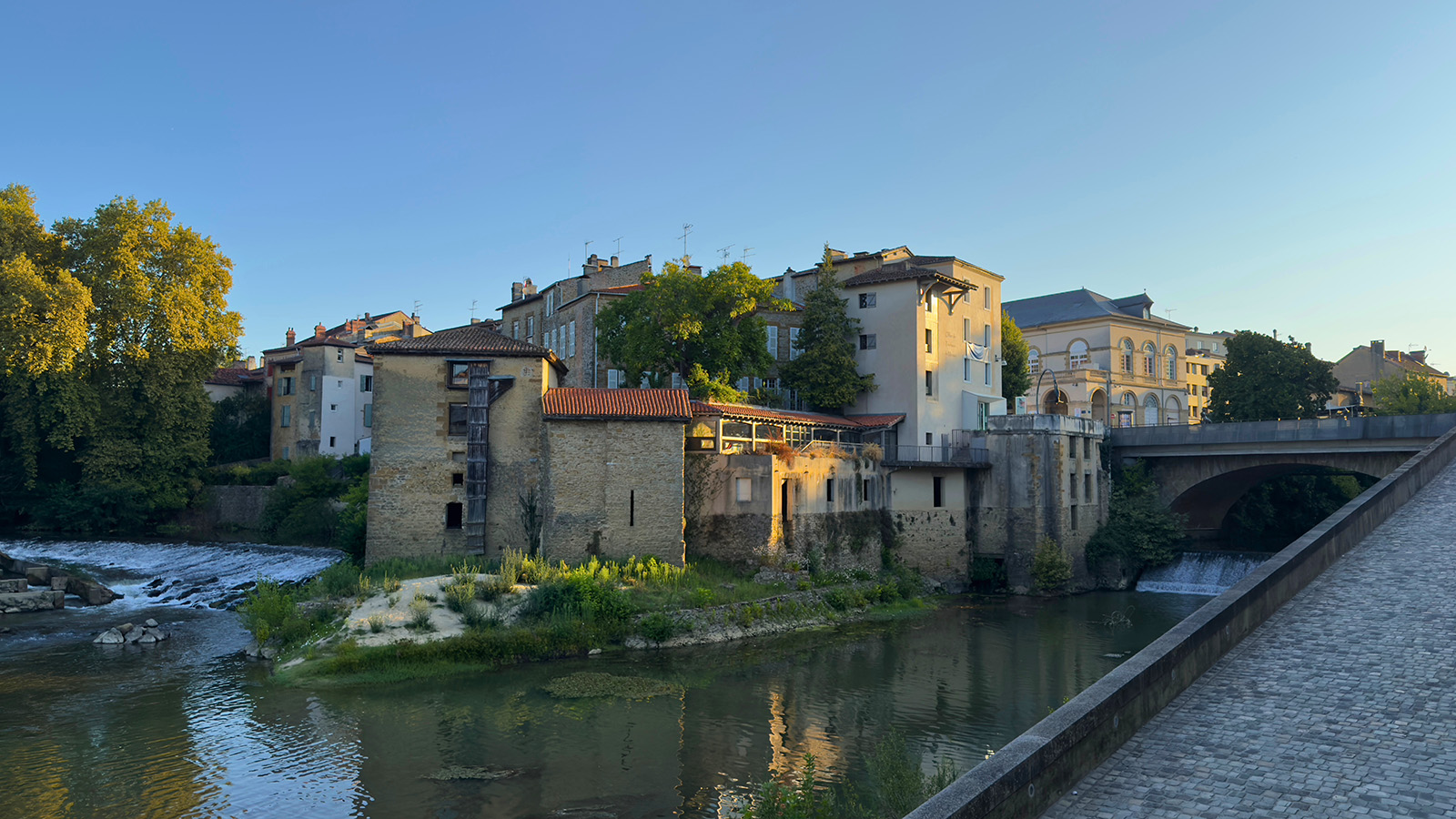
Founded in the 12th century by Viscount Pierre de Marsan, Mont-de-Marsan was built at the confluence of the Midou and Douze rivers. Nicknamed the "City of Three Rivers", it was for a long time a defensive and commercial crossroads, as its medieval streets and the Lacataye keep still bear witness today. After a history marked by conflicts and English domination, the town became the prefecture of the Landes in 1790. The 19th century saw the construction of numerous administrative buildings under the leadership of Napoleon I, which shaped the current face of the town centre.
A visit to Mont-de-Marsan offers a journey between heritage, culture and nature.
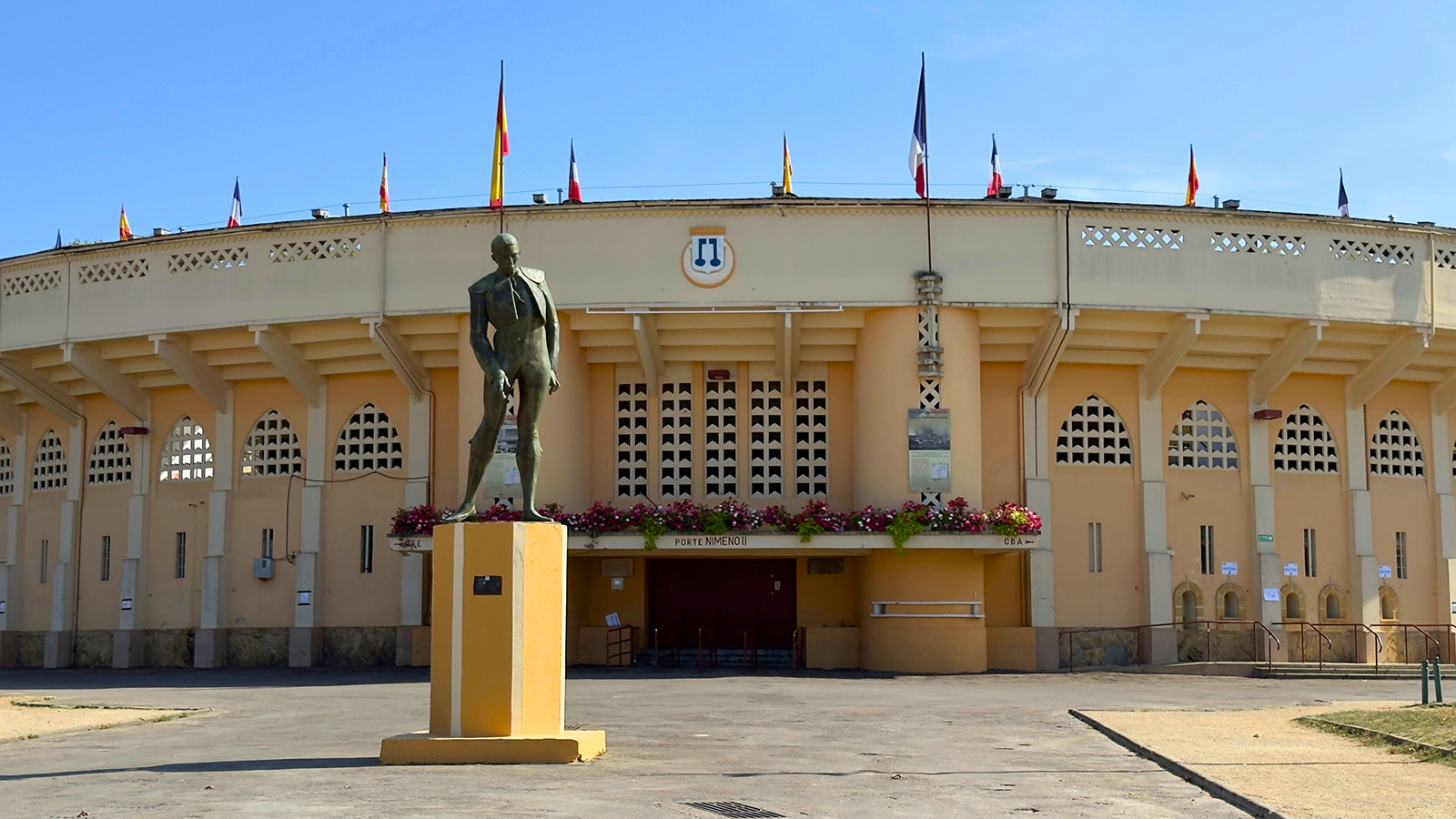
- The Plumaçon arenas are an absolute must-see. Built in 1889, they are the vibrant heart of the Fêtes de la Madeleine, which are held every year in July. These arenas, where bullfights and Landes races take place, symbolize the strong bullfighting identity of the city and can also be visited to discover the behind-the-scenes of this tradition.
- The city is also a veritable open-air museum, with numerous sculptures adorning its streets and parks, earning it the nickname "sculpture capital."
- The Lacataye dungeon houses the Despiau-Wlérick museum, a reference for 20th century figurative sculpture.
- Finally, to recharge your batteries, the Jardin de Laulom, inaugurated in June 2025, is a green oasis connecting the train station to the city center. It is the ideal place for a relaxing break in the heart of the city.
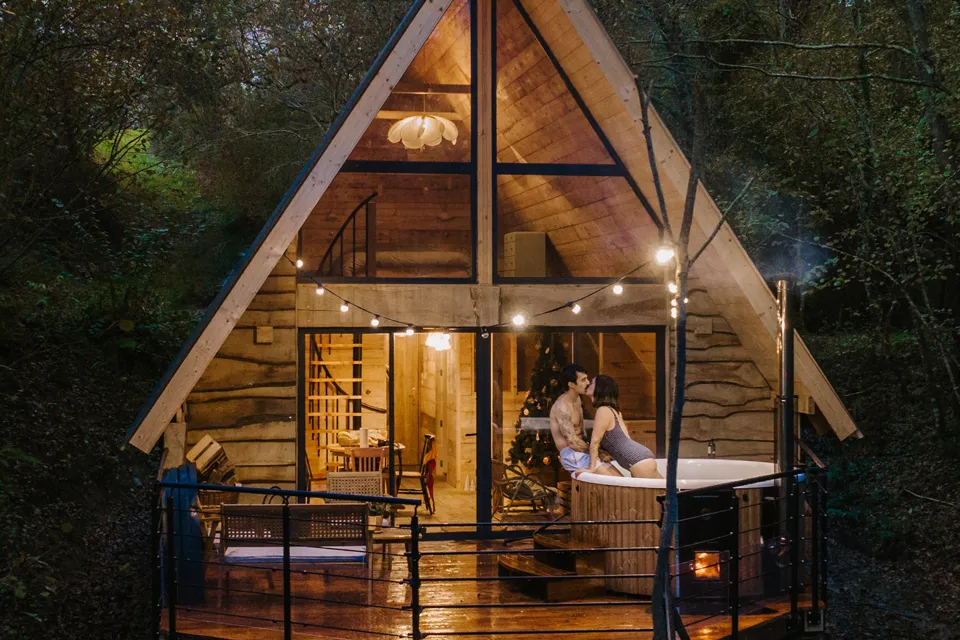
Auberge du Grand Megnos - La Cabane du Lac

Cabin on the edge of the forest and by a lake near Mont-de-Marsan
7,0 km
Le Cadet de Gascogne
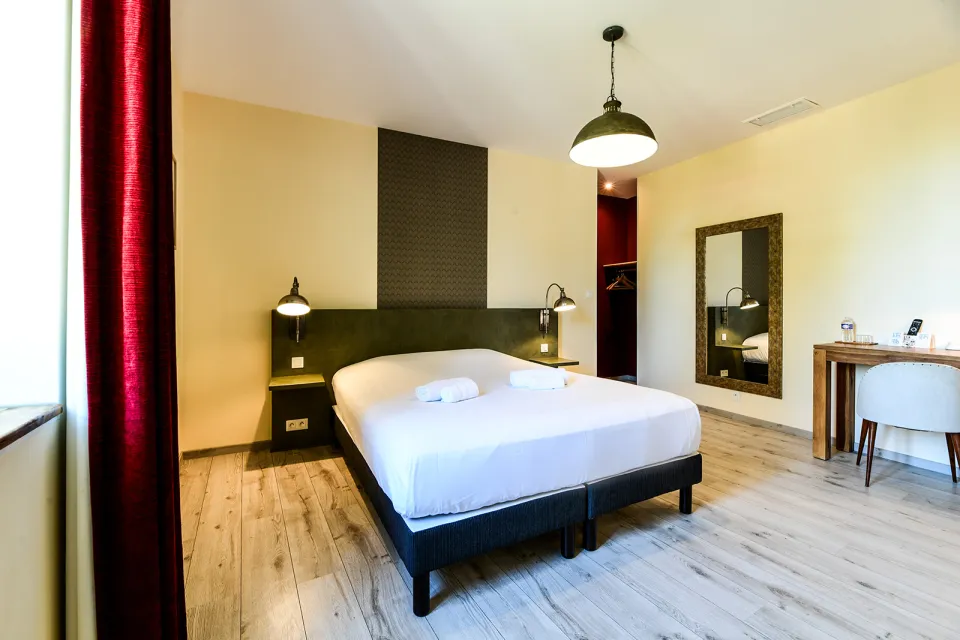
Accommodation in the heart of the village of Saint-Justin in the Landes region
21,3 km
Domaine de Rébert
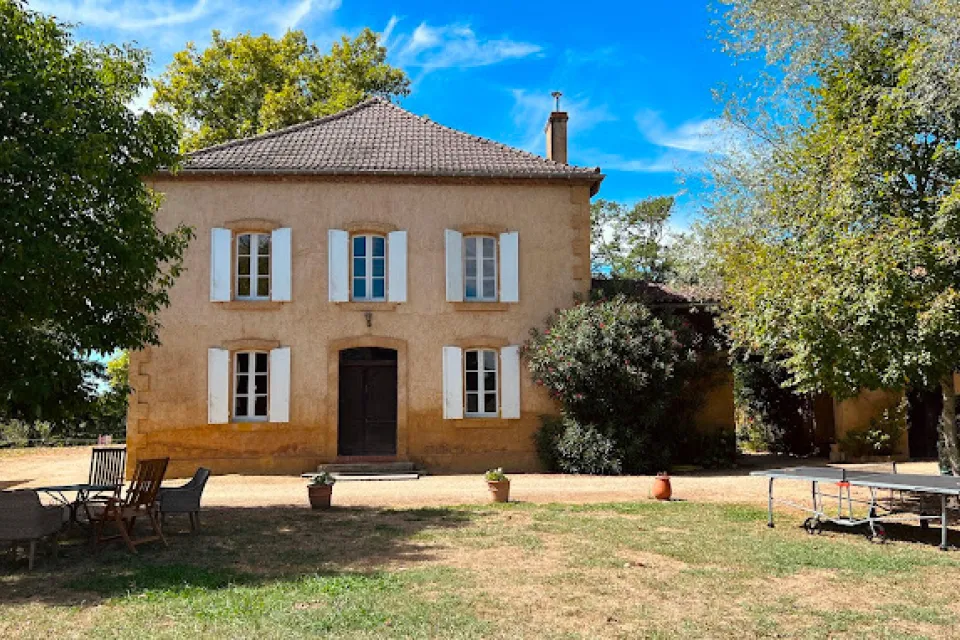
Bed and breakfasts between Gers and Landes
22,6 km
Did you like our article? Find more in our "According to my desires" section. Subscribe to the Guide des Landes Facebook page and also find us on Instagram @guidedeslandes
our favourite
Landifornia Lodge
in Saint-Martin-de-Hinx
Top experiences
What to do on Sunday in the Landes region?